

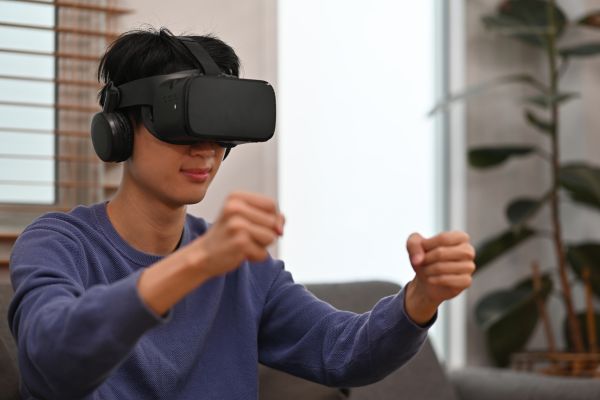
Virtual reality used to feel like a luxury reserved for tech demos, research labs, or gamers with very deep pockets. That perception has changed fast. Today, affordable VR gear is no longer a contradiction in terms. It’s a real, expanding category shaped by smarter hardware design, wider competition, and a growing audience that wants immersion without financial regret.
What’s interesting is not just that VR has become cheaper, but that it has also become better at the same time. The experience gap between entry-level and premium setups has narrowed enough that many players are discovering that “good enough” can actually be genuinely impressive. For immersive gaming, that shift matters.
Why VR No Longer Belongs Only to the High-End Crowd
The early era of consumer VR came with a clear message: immersion costs money. High-resolution headsets, external sensors, powerful PCs, and endless cables made VR feel more like a hobby for enthusiasts than a platform for everyday gaming.
As the technology matured, manufacturers learned where they could simplify without breaking the experience. Standalone headsets removed the need for expensive gaming computers. Inside-out tracking replaced external cameras. Displays improved while manufacturing costs dropped. All of this pushed affordable VR gear into the mainstream, where curiosity could finally turn into adoption.
The result is a landscape where immersive gaming no longer requires a dedicated room or a five-figure setup. It just requires thoughtful choices.
What “Affordable” Really Means in VR
Affordability in VR isn’t just about the sticker price. It’s about the total cost of ownership and the compromises you’re willing to accept. A headset might be inexpensive but demand accessories, subscriptions, or a powerful PC that quietly raises the real cost.
Truly affordable VR gear strikes a balance. It delivers solid visuals, responsive tracking, and comfort for extended play sessions without forcing you into constant upgrades or workarounds. It may not deliver cutting-edge resolution or premium materials, but it offers immersion that feels complete rather than compromised.
For many gamers, that balance is exactly where VR becomes fun instead of stressful.
Immersion Without Excess: How Budget VR Still Feels Convincing
Immersion is not defined by specs alone. While resolution and refresh rates matter, the feeling of presence comes from consistency. Smooth tracking, stable frame rates, and intuitive controls do more for immersion than chasing the highest numbers on a spec sheet.
Affordable VR gear often shines here. By focusing on fewer features and optimizing them well, budget-friendly headsets can feel surprisingly natural. Hand tracking that stays locked, displays that don’t distract with flicker, and audio that places you inside the environment all contribute to an experience that feels cohesive.
When everything works together, the brain fills in the gaps. That’s why many first-time VR users are shocked by how immersive entry-level setups can be.
Comfort: The Quiet Hero of Budget VR
Comfort rarely dominates marketing headlines, but it matters more than raw power, especially in affordable VR gear. A slightly lower resolution doesn’t matter much if you’re too distracted by pressure points, heat buildup, or awkward weight distribution.
Manufacturers targeting budget-conscious users have become better at ergonomics. Lighter designs, adjustable straps, and balanced weight placement are now common even in lower-priced headsets. This makes longer gaming sessions possible without fatigue, which directly improves immersion.
Comfort is also psychological. When gear feels easy to put on and forget about, it stops feeling like equipment and starts feeling like a window.
The Software Side of Affordable Immersion
Hardware is only half the story. Affordable VR gear thrives when paired with accessible software ecosystems. Over the years, developers have learned how to optimize games for less powerful systems without sacrificing creativity.
Stylized visuals, smart performance scaling, and physics-driven gameplay often work better in VR than ultra-realistic graphics. Many of the most memorable VR experiences rely on clever interaction rather than raw visual fidelity.
This is good news for gamers on a budget. It means affordable VR gear isn’t locked out of quality content. In fact, some of the most polished and imaginative VR games run beautifully on modest hardware.
Standalone VR and the Freedom It Brings
One of the biggest reasons affordable VR gear has become more appealing is the rise of standalone systems. These headsets don’t rely on external computers or consoles, which removes a major cost barrier.
Standalone VR offers freedom in both physical and mental terms. No cables pulling at your head. No worrying about system compatibility. No technical setup that kills the excitement before you even start playing.
For immersive gaming, this simplicity is powerful. It encourages spontaneous play, shared experiences, and experimentation. VR stops feeling like a project and starts feeling like entertainment.
The Trade-Offs That Actually Matter
Every affordable option comes with trade-offs, but not all trade-offs are equally important. Understanding which compromises affect immersion and which ones don’t can save you money and frustration.
Lower resolution may slightly soften visuals, but consistent frame rates often matter more. Limited field of view might reduce peripheral immersion, but good sound design can compensate. Plastic materials might feel less premium, but comfort and reliability tend to matter far more in daily use.
Affordable VR gear works best when expectations are realistic. It’s not about chasing perfection. It’s about choosing what enhances the experience and letting go of what doesn’t.
Why Affordable VR Is Good for the Entire Medium
There’s a bigger picture here. Affordable VR gear doesn’t just benefit individual gamers. It strengthens the entire VR ecosystem. More users mean more developers willing to experiment. More experimentation leads to better games, smarter design, and broader appeal.
When VR becomes accessible, it stops being a niche curiosity and starts becoming a cultural platform. That shift is already happening, quietly driven by affordable hardware that invites people in rather than intimidating them.
Immersive gaming thrives on shared momentum. Budget-friendly entry points help build that momentum.
Choosing VR Based on Experience, Not Hype
One of the smartest ways to approach affordable VR gear is to ignore hype and focus on how you actually want to play. Are you interested in short, energetic sessions or long, atmospheric adventures? Do you value portability or visual sharpness? Are you gaming alone or sharing the experience with others?
Answering these questions matters more than reading spec comparisons. Immersion is personal. What feels transformative to one player may feel unnecessary to another.
Affordable VR gear shines when it aligns with real use cases rather than abstract benchmarks.
The Future of Immersive Gaming on a Budget
The trajectory is clear. Affordable VR gear is improving faster than most people realize. Displays are getting sharper, processors more efficient, and software more refined, all without dramatic price increases.
This suggests a future where immersive gaming becomes as normal as console gaming, not because it’s perfect, but because it’s accessible. The barrier to entry keeps dropping, and with it, the pressure to justify every purchase.
VR doesn’t need to be flawless to be meaningful. It just needs to be inviting.
A Natural Ending Point
Affordable VR gear has reshaped what immersive gaming looks like today. It has shifted the conversation from exclusivity to possibility, from spectacle to experience. By lowering costs without stripping away the magic, it has opened the door for more players to step inside virtual worlds and stay there.
The real value of affordable VR isn’t in what it lacks compared to premium setups. It’s in what it offers: presence, curiosity, and a sense that immersive gaming is no longer something you watch from the sidelines. It’s something you can actually be part of.
