

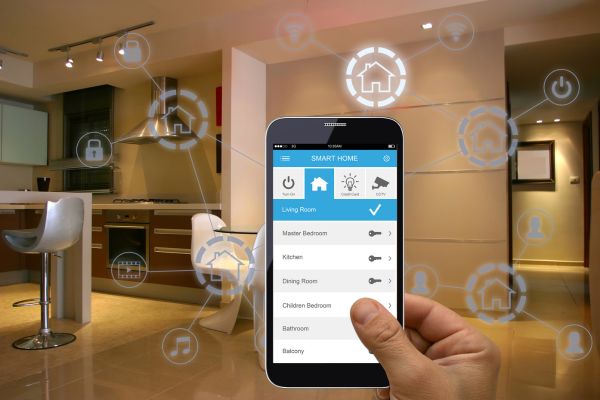
If you’ve ever caught yourself wondering whether your home gadgets are spying on you or if that smart doorbell is actually keeping you safe, you’re not alone. As our homes get smarter, so do the risks. That’s why learning a few practical smart home security tips can save you from a whole lot of headaches later. And let’s be real—you don’t need to be a tech wizard to protect your space. A little awareness and a few smart habits can take you a long-long way.
Understanding Why Smart Home Security Matters
The thing is, smart devices aren’t going anywhere. They help us lock doors from our phones, adjust the thermostat without lifting a finger, and keep an eye on our pets while we’re at work. Pretty amazing, right? But with convenience comes vulnerability. Every device you connect to Wi-Fi becomes another doorway into your home network. That’s exactly why smart home security tips have become essential for every homeowner, renter, or even someone living in a tiny studio apartment.
Cybercriminals don’t always go after huge corporations. Sometimes, they target everyday people who simply forgot to change a default password. And you’d be surprised how many do. So yeah, securing your smart home isn’t paranoia. It’s just common sense mixed with a bit of caution.
Start With Securing Your Wi-Fi Network
Let’s talk about the foundation: your Wi-Fi. If your Wi-Fi isn’t secure, everything connected to it is at risk. Think of it like leaving your front door wide open but expecting the rest of the house to stay safe. Not happening.
A good starting point? Changing the default router name. You don’t need to get fancy, but avoid using personal info. Something simple works. Then, set a strong password—something long, a little weird, maybe even slightly annoying to type. It’s worth it. And while you’re at it, turn on WPA3 encryption if your router supports it.
Another thing people overlook is guest networks. You know when friends drop by and immediately ask for your Wi-Fi? Yeah, they don’t need access to your security cameras or smart locks. A guest network keeps everything separated so your main system stays protected.
Keep Your Devices Updated
I get it. Updates can be annoying. They pop up at the worst times and always seem to take forever. But here’s the truth: those updates often contain important security fixes. Ignoring them is like skipping your car’s oil change—things might seem fine for a while… until they’re absolutely not.
Make checking for updates part of your routine. Most smart devices let you turn on automatic updates, and honestly, that’s the easiest option. It ensures your gadgets always have the latest protection without you having to think about it. It’s one of the simplest smart home security tips that pays off big time.
Use Strong, Unique Passwords for Every Device
You know that one password people use for everything? Yeah, don’t do that. Each smart device—your camera, thermostat, speakers—should have its own unique password. Sounds tedious, I know. But password managers help a ton. They store everything for you, so you don’t need to memorize 50 different combinations.
If you’re setting up new devices, change the default passwords immediately. Manufacturers often use the same login credentials across thousands of devices, which makes them easy targets. A few minutes of setup now can prevent hours of chaos later.
Enable Two-Factor Authentication When Possible
Two-factor authentication might seem like an extra hassle, but it adds a powerful layer of protection. Think of it like having a second lock on your door. Even if someone guesses your password, they still need that extra piece of verification.
Many smart home apps offer 2FA through text codes or authentication apps. If you see the option, turn it on. It takes a few seconds but keeps unwanted guests out of your devices and accounts.
Pay Attention to Device Permissions
Sometimes we get so excited about new gadgets that we quickly click “allow” on every permission request without thinking. But your smart speaker doesn’t need access to everything. Same goes for your smart light bulbs or robot vacuum.
Take a minute to check what permissions each device actually requires. If something seems unnecessary, disable it. You’re not being paranoid—you’re being smart. With privacy concerns increasing, this is one of those smart home security tips most people forget but absolutely shouldn’t.
Keep an Eye on Your Device Logs
This step feels a little geeky, but it’s more useful than you think. Most smart devices have activity logs that show when they were accessed or by whom. If something looks off, like a login from another country or a weird time of day, you can take action immediately.
It’s kind of like checking your bank statement every once in a while. You’re not expecting anything weird, but it’s good to make sure everything looks normal.
Place Your Cameras Wisely
Smart cameras are super helpful, but they can be a privacy nightmare if not handled properly. Avoid pointing indoor cameras at private areas like bedrooms or bathrooms. Keep them focused on entryways, driveways, and shared spaces.
Another small tip: cover or disable cameras when you’re home, if possible. It’s a simple peace-of-mind habit. After all, no one wants to feel like they’re living on a movie set.
Don’t Ignore Physical Security
We spend so much time thinking about digital threats that we forget the basics. A smart lock won’t save you if the door frame is weak. Make sure your physical home security is strong too. Reinforce entry points, use deadbolts, and keep your home well-lit at night.
Combining solid physical security with smart tech gives you the best chance at a safe, protected home.
Research Before Buying Any New Smart Device
Before purchasing a new gadget, do a little research. Look up reviews, security features, and whether the manufacturer offers regular updates. Cheaper devices might save you money upfront, but if they’re poorly built or never updated, they’re not really a bargain.
Choose brands with a good reputation for security. It’s like buying a helmet—you want the one that actually protects you, not just the one that looks cool.
Final Thoughts
Protecting your home doesn’t have to be complicated. By taking a little time to follow these smart home security tips, you can enjoy all the benefits of your devices without constantly worrying about cyber threats. The truth is, a secure smart home isn’t about fancy tech skills. It’s about habits—simple, smart habits that anyone can build.
So go ahead, tweak your settings, update your passwords, maybe even reposition that camera that’s been bothering you. Small steps make a big difference. And at the end of the day, peace of mind in your own home is worth every minute you put into keeping it safe.
