

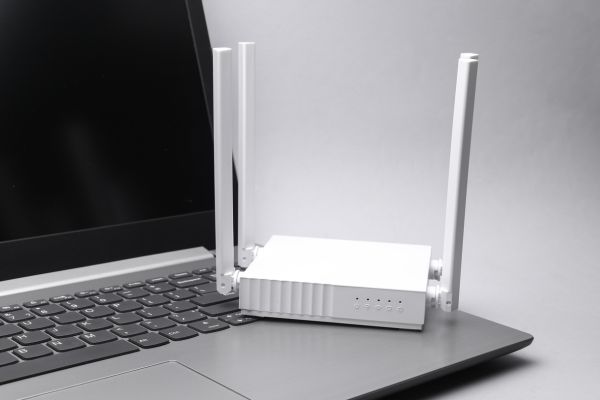
Walk into any modern home and you’ll likely find a quiet tension between expectation and reality. We expect seamless connectivity everywhere—bedroom, kitchen, backyard—yet the signal often drops exactly where we need it most. One room has blazing speed, another barely loads a webpage. That’s where understanding the benefits of mesh Wi-Fi networks becomes more than just a technical curiosity—it becomes a practical solution to a very everyday frustration.
Mesh Wi-Fi has quietly reshaped how home networks function. Instead of relying on a single router struggling to cover an entire space, it distributes connectivity intelligently, almost like a team working together rather than a single overworked individual.
Understanding How Mesh Wi-Fi Works
At its core, a mesh Wi-Fi system replaces the traditional one-router setup with multiple interconnected nodes. These nodes communicate with each other to create a unified wireless network across your entire home.
What makes this approach different is how devices connect. Instead of clinging to a distant router with a weak signal, your phone or laptop automatically connects to the nearest node. You don’t have to think about switching networks or reconnecting—it just happens in the background.
This quiet coordination is what makes mesh systems feel almost invisible in use. You stop noticing your network, which, in many ways, is the highest compliment you can give it.
Seamless Coverage Across Every Room
One of the most noticeable benefits of mesh Wi-Fi networks is consistent coverage. Traditional routers often struggle with walls, floors, and distance, creating those familiar dead zones—corners of your home where the internet seems to vanish.
Mesh systems eliminate that unevenness. Each node extends the signal, filling in gaps and ensuring that no area is left behind. Whether you’re in a basement office or a second-floor bedroom, the connection remains steady.
It’s not just about reaching more places; it’s about making those places usable. Streaming, video calls, and browsing all become reliable, no matter where you are.
Smooth Roaming Without Interruptions
There’s a subtle annoyance in traditional networks that most people don’t notice until it disappears: the momentary drop in connection when moving from one area to another.
Mesh Wi-Fi solves this by allowing seamless roaming. As you move through your home, your device switches between nodes automatically, without interruption. There’s no buffering pause during a video call, no sudden disconnect while streaming music.
It feels natural because it mirrors how we move through physical spaces—fluidly, without stopping to reconnect.
Improved Performance for Multiple Devices
Modern homes are crowded with connected devices. Smartphones, laptops, smart TVs, security cameras, even kitchen appliances—all competing for bandwidth.
A single router can quickly become overwhelmed under this load. Mesh systems distribute that demand more efficiently. Each node shares the workload, reducing congestion and improving overall performance.
This becomes especially noticeable in busy households. Multiple people can stream, browse, and work simultaneously without the network slowing to a crawl. The experience feels less like sharing and more like having your own dedicated connection.
Better Stability in Everyday Use
Speed often gets the spotlight, but stability is what truly defines a good internet experience. A fast connection that drops frequently is far more frustrating than a slightly slower one that remains steady.
Mesh Wi-Fi networks excel in maintaining consistent connections. Because devices can switch to the strongest node at any moment, temporary disruptions are minimized. If one node experiences interference, another can compensate.
This redundancy adds a layer of resilience that traditional routers simply don’t offer.
Simplified Network Management
Despite their advanced functionality, mesh systems are surprisingly easy to manage. Most come with intuitive mobile apps that allow you to monitor and control your network without needing technical expertise.
You can check which devices are connected, prioritize certain activities, or even pause internet access for specific users—all from a simple interface.
This accessibility removes the intimidation factor often associated with home networking. It turns something complex into something approachable.
Adaptability to Different Home Layouts
Not all homes are built the same. Some have thick walls that block signals, others have multiple floors or unusual layouts that make coverage tricky.
Mesh Wi-Fi adapts to these challenges. You can place nodes where they’re needed most, tailoring the network to your specific environment. If you move furniture or change your setup, the system adjusts accordingly.
This flexibility makes it suitable for a wide range of living spaces, from small apartments to large multi-story houses.
Reduced Dead Zones and Signal Drops
Dead zones are more than just inconvenient—they disrupt routines. Whether it’s a dropped call during an important conversation or a buffering video during a quiet evening, these interruptions add up.
Mesh networks actively work to eliminate these weak spots. By overlapping coverage areas, they ensure that even traditionally problematic spaces receive a strong signal.
Over time, you begin to forget where the dead zones used to be. The network becomes consistent enough that you stop planning your activities around it.
Enhanced Support for Smart Homes
As homes become smarter, the demands on Wi-Fi networks increase. Devices like smart lights, thermostats, and security systems rely on constant connectivity.
Mesh Wi-Fi provides the stability and coverage these devices need to function reliably. It ensures that a smart doorbell works just as well at the front gate as it does inside the living room.
This reliability is crucial because many smart home devices operate quietly in the background. When the network is strong, they simply do their job without drawing attention.
Future-Proofing Your Home Network
Technology evolves quickly, and what feels sufficient today can become outdated tomorrow. One of the often overlooked benefits of mesh Wi-Fi networks is their ability to grow with your needs.
Adding more nodes is straightforward. If your coverage needs expand or your device count increases, you can extend the network without replacing the entire system.
This scalability makes mesh Wi-Fi a long-term solution rather than a temporary fix.
Consistent Experience Across Different Activities
Not all internet usage is the same. Streaming a movie, joining a video call, and playing an online game all place different demands on your network.
Mesh systems handle these variations more gracefully. They balance traffic across nodes, ensuring that no single activity dominates the bandwidth.
The result is a smoother experience across the board. You’re less likely to notice slowdowns, even when multiple activities are happening at once.
A Subtle Shift in How We Experience Connectivity
Perhaps the most interesting aspect of mesh Wi-Fi is how it changes your relationship with the internet. Instead of thinking about where the signal is strongest, you begin to assume it will be strong everywhere.
This shift is subtle but meaningful. It removes a layer of friction from daily life, allowing technology to blend more seamlessly into the background.
You stop adjusting your behavior to fit the network, and the network starts adapting to you.
Conclusion: A More Reliable Way to Stay Connected
The benefits of mesh Wi-Fi networks go beyond faster speeds or wider coverage. They represent a more thoughtful approach to connectivity—one that prioritizes consistency, adaptability, and ease of use.
In a world where being online is no longer optional, having a network that quietly supports your daily activities makes a noticeable difference. It’s not about flashy features or technical specifications; it’s about creating an environment where the internet simply works, wherever you are.
And once you experience that level of reliability, it’s surprisingly hard to go back.
