

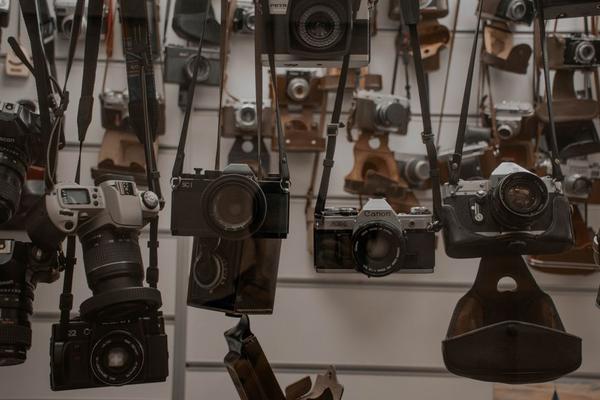
A used camera can look immaculate yet have worked through hundreds of thousands of exposures. Another might show scuffed corners after a relatively quiet life. That is why camera shutter count deserves attention: it offers one useful clue about the history of a camera, especially the wear on its mechanical shutter. But the number is not a health certificate, and treating it like an odometer can lead to expensive mistakes.
What Does Shutter Count Actually Mean?
In simple terms, shutter count is the number of recorded shutter actuations associated with a camera. On a traditional DSLR, each still photograph generally involves the mechanical shutter opening and closing. Many mirrorless cameras can make an exposure mechanically, electronically, or using a combination of the two, so the reported number requires more context.
The practical shutter count meaning is closer to a record of use than a direct measurement of damage. One photograph in single-shot mode and one frame in a rapid burst may each contribute an actuation. A photographer shooting wildlife at high frame rates can therefore accumulate thousands of clicks in a day without putting the camera through years of handling.
How Long Does a Mechanical Shutter Last?
A mechanical shutter uses moving curtains to control when light reaches the sensor. Repeated movement creates wear, which is why manufacturers test shutter mechanisms for durability. For example, Nikon has described the D500 shutter as tested for 200,000 actuations. Nikon also lists a 200,000-cycle test figure for the Z f mechanical shutter.
These are model-specific test figures, not scheduled replacement dates or promises that every unit will last exactly that long. A shutter rated for 200,000 cycles could fail sooner or continue working well beyond that point. Camera shutter life depends on manufacturing variation, operating conditions, prior damage, and other factors that a single count cannot show.
Comparing counts makes the most sense when you first identify the exact camera model and find its official durability information, if published. Avoid applying an arbitrary universal rule such as “anything above 50,000 is worn out.” That may be misleading for a professional body designed for heavy use.
Mechanical Shutter Versus Electronic Shutter
This is where otherwise sensible advice about used cameras becomes unreliable. An electronic shutter controls exposure through sensor readout rather than physically moving shutter curtains for each frame. Some mirrorless cameras also support an electronic front-curtain mode, which starts the exposure electronically but still uses a mechanical rear curtain.
Because cameras track these actions differently, a displayed shutter count may represent mechanical releases, total image captures, or a manufacturer-specific counter. It may not account for every electronic exposure. Video recording also should not be interpreted as thousands of ordinary mechanical shutter clicks, even though heavy video use can still affect a camera’s overall condition.
Imagine a mirrorless body used mainly for silent electronic shooting at events. Its reported mechanical count might be modest despite substantial professional use. Ask how the camera was used, not just how often the shutter fired. Camera menus and manufacturer documentation can help establish what a particular counter includes.
How to Check Shutter Count
There is no single method that works for every brand and model. Start by checking the camera’s menu or official support information; some models display an actuation or shutter-release total, while others do not. If the count is not shown, the next option is often to inspect metadata from a fresh, original photograph.
Checking a file without guessing
Take a new image in the camera, transfer the original file to a computer, and keep it unedited. Certain models store relevant maker-specific metadata that compatible tools, such as ExifTool, can read. Search the results for fields such as shutter count, image count, or shutter releases, then confirm the field’s meaning for that model.
Not every Canon, Nikon, Sony, Fujifilm, or other camera embeds a trustworthy mechanical count in ordinary image metadata. Some require a different manufacturer-specific approach, compatible diagnostic software, or service inspection. Online upload tools can be convenient, but check privacy practices before sending personal photos. When possible, inspect a fresh image locally.
Using the Number When Buying a Used Camera
Think of the count as one column in a condition report, not the final verdict. First, compare the reported figure with any official shutter durability test for that model. Then examine the things that a counter cannot see: drops, moisture exposure, sensor damage, malfunctioning buttons, a loose lens mount, and signs of poor repair.
Ask the seller for a recent, original image so you can check shutter count where the model supports it. Confirm the image came from the actual body for sale. If possible, inspect the camera in person, try several shutter speeds, review test photographs for exposure irregularities, and check that burst shooting works normally.
A realistic comparison
Suppose two identical bodies are offered at different prices. Camera A has 12,000 mechanical actuations but a damaged card slot and evidence of moisture. Camera B has 85,000 actuations, a documented service history, and clean, consistent operation. The lower-count camera is not automatically the safer purchase. Repair cost, asking price, condition, and intended use may outweigh the gap in clicks.
A used camera inspection checklist can help organise that comparison. Also review the seller’s return policy and ask whether any shutter repair or replacement has occurred. A replaced mechanism may make an apparent low figure less useful as a record of the body’s total working life.
Does a High Shutter Count Need Action?
A high count by itself is not a reason to replace a working shutter preemptively. If the camera exposes correctly and operates normally, continue using it while recognising that mechanical components can eventually fail. For demanding paid assignments, carrying a backup body is usually more practical than trying to predict an exact failure date.
Frequently Asked Questions
Is 100,000 a high shutter count?
It depends on the camera. For a model tested to 200,000 mechanical actuations, 100,000 is half that test figure, but not a prediction of remaining life. On another model, the context may be different.
Can shutter count be reset?
Counters may be affected by certain repairs, component replacements, or manufacturer-specific procedures. Never assume a low reading proves a body has seen little use. Ask for service records if the figure seems inconsistent with its condition.
Does electronic shutter use increase mechanical wear?
Fully electronic exposures generally avoid the mechanical curtain movement used for a mechanical exposure. However, electronic front-curtain modes still involve a moving rear curtain, and the camera’s reported counter may follow its own rules.
Can a camera work past its rated shutter life?
Yes. A durability test rating is not an automatic shutdown threshold. Many shutters continue functioning beyond their stated test count, while some fail earlier.
The Bottom Line
Camera shutter count explained properly is a lesson in context. It can reveal something meaningful about mechanical use, particularly when comparing the same model, but it cannot tell you how carefully a camera was handled or exactly when a shutter will fail. Verify what the counter measures, examine the camera as a whole, and let the condition and price guide your decision.
