

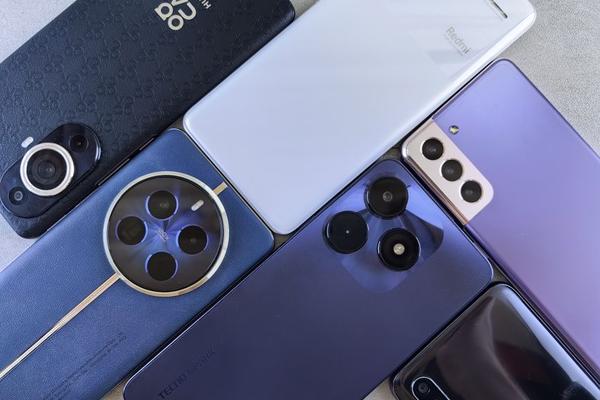
Two hundred megapixels sounds enormous, especially when many excellent phone cameras still produce 12MP or 24MP photos. Yet by 2026, a 200MP smartphone camera can appear on mid-range devices too. Is the bigger number an upgrade, or simply an easy specification to advertise?
The answer sits somewhere in the middle. A 200MP sensor can capture impressive detail in the right conditions, but megapixel count alone does not determine image quality. Sensor size, lens quality, stabilisation, autofocus and processing can matter just as much. With 200MP camera phones explained properly, it becomes easier to see who benefits and who can ignore the headline number.
What does 200MP actually mean?
A megapixel is one million pixels. In simple terms, a 200MP phone camera sensor contains roughly 200 million light-sensitive photosites that contribute to an image. More pixels give the camera the potential to record finer detail, particularly in bright light, and provide more freedom to crop later.
That does not mean every photograph is saved at full 200MP resolution. Most phones use a lower-resolution mode by default because maximum-resolution files are larger, slower to process and less practical for everyday sharing. Depending on the sensor and software, a 200MP phone may normally create a 12.5MP or 50MP image.
Why 200MP photos are often saved at 12.5MP
The key technology is pixel binning. It combines information from neighbouring pixels so they behave like one larger pixel. A common 200MP arrangement can merge 16 small pixels into one, turning the sensor’s data into a 12.5MP photograph. Some systems can also group four pixels to create a 50MP image.
This helps balance resolution and light capture. Tiny individual pixels can struggle in dark scenes because each receives relatively little light. Combining their information can produce a brighter, cleaner result with less visible noise. It is one of the most important ideas to understand when you want megapixels explained without the marketing gloss.
Full 200MP mode is best treated as a specialist option. It can work well outdoors in strong daylight, when the phone is steady and the subject contains fine texture. For indoor shots, moving children, pets or evening scenes, the default binned mode is often more reliable.
Where a 200MP camera can genuinely help
More flexibility for cropping and zoom
The clearest advantage is cropping freedom. If you photograph a building, landscape or group from a distance, a high-resolution file gives you more pixels to work with. A moderate crop may retain sharper edges than the same crop from a lower-resolution image.
Manufacturers also use the centre of a high-resolution sensor to create in-sensor zoom. This can provide useful 2x magnification without relying entirely on rough digital enlargement. It is not the same as a dedicated optical telephoto camera, but it can make the main camera more versatile.
Full-resolution capture may also help with large prints or detailed subjects such as architecture and artwork. The benefit is strongest when the light is good, focus is accurate and the lens is sharp. For social media images viewed on a phone screen, the difference is usually far less dramatic.
Why more megapixels do not guarantee better photos
A phone camera sensor is only one part of the imaging system. If the lens is soft, 200 million pixels will record that softness. If autofocus misses, the large file will still be blurred. If processing applies excessive sharpening or noise reduction, textures can look artificial despite the headline resolution.
Sensor size matters too. A physically larger sensor generally has more area available to collect light. Two phones can both advertise 200MP cameras while producing noticeably different results because their sensor dimensions, lenses and software are not the same.
Optical image stabilisation, or OIS, is another valuable feature. It helps reduce blur from small hand movements and can improve low-light capture. Good HDR, accurate colour, quick shutter response and dependable autofocus often make a bigger everyday difference than moving from 50MP to 200MP.
The practical drawbacks of 200MP mode
Full-resolution images use more storage. File size varies with the scene, format and compression, but a 200MP photo can be several times larger than a normal binned image. That matters if you take hundreds of pictures, have limited cloud storage or send photos through apps that compress them anyway.
Processing can also take longer, especially on less powerful mid-range phones. Burst shooting may slow down, shutter lag can increase, and features such as night mode or advanced HDR may work differently at maximum resolution. Large files also take longer to edit, upload and back up.
Low light is another limitation. Full-resolution capture divides the available light across many small pixels. Modern processing helps, but the binned mode is usually designed to deliver the cleaner night-time result. Selecting 200MP after sunset may give you a larger file rather than a better photograph.
What to check before buying a 200MP camera phone
Do not compare phones using megapixels alone. Look at sample images taken in daylight, indoors and at night. Check whether the main camera has OIS, how quickly it captures moving subjects and whether colours and skin tones look natural. A well-tuned 50MP camera can outperform a poorly implemented 200MP system.
Do you really need 200 megapixels?
Most people do not need to shoot at 200MP every day. The default binned mode is usually faster, more storage-efficient and better in mixed lighting. However, the high-resolution sensor is not pointless. It can improve cropping flexibility, support useful in-sensor zoom and provide extra detail for carefully composed daylight shots.
The best reason to buy a 200MP phone is that the entire camera system performs well, not simply because the number appears on the box. Treat 200MP as one useful capability among many rather than a guarantee of flagship image quality.
Frequently asked questions
Is a 200MP camera better than a 50MP camera?
Not automatically. A strong 50MP camera with a larger sensor, better lens, OIS and superior processing can produce better photos than a weak 200MP camera. The complete imaging system matters more than resolution alone.
Should I leave my phone in 200MP mode?
Usually not. The default binned mode is more practical for everyday photography and often performs better in low light. Use 200MP mode when you have good lighting, a steady subject and a clear need for extra cropping detail.
Does 200MP improve zoom quality?
It can improve short-range in-sensor zoom because the phone can crop from a high-resolution image while retaining useful detail. It does not fully replace a good optical telephoto lens for longer-distance photography.
Why do my 200MP phone photos show a lower resolution?
The camera is probably using pixel binning, combining groups of pixels to create a brighter and more manageable 12.5MP or 50MP image. Full 200MP capture normally has to be selected manually in the camera app.
Conclusion
The 200MP trend is more than a meaningless numbers race, but it is easy to overvalue. High resolution can be useful for daylight detail, cropping and in-sensor zoom. For everyday results, sensor size, optics, stabilisation and processing remain crucial. Choose the phone that produces consistently good photographs in the situations you actually shoot, and regard 200MP as a flexible extra rather than a requirement.
